Dupixent Lawsuits: Allegations, Eligibility & Case Considerations
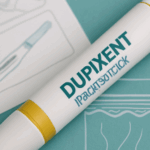
Dupixent (dupilumab) is a biologic approved for conditions such as moderate-to-severe atopic dermatitis, asthma, and chronic rhinosinusitis with nasal polyps. As usage has grown, some patients and families have explored legal options related to alleged adverse effects, warnings, and safety communications. Below is a plain-English overview—without legal advice—covering who is bringing claims, common participation qualifiers, typical allegations against manufacturers, and where law firms may focus support.
Demographics and Qualifiers
Potential claimants may include:
- Adult and pediatric patients
Individuals treated with Dupixent who later reported serious or unexpected adverse events. - Caregivers/parents of minors
Where a child’s treatment allegedly led to harm or prolonged complications. - Families in wrongful-death matters
Next of kin pursuing claims where treatment is alleged to be a contributing factor.
Qualifications for Lawsuit Participation
Criteria vary by jurisdiction and firm, but common thresholds include:
- Documented diagnosis & treatment history
Indication treated (e.g., atopic dermatitis, asthma), start/stop dates, dose, injection frequency, and prescriber notes. - Adverse event documentation
Medical records (EHRs), hospitalizations, lab results, imaging, ophthalmology/ENT notes (where relevant), and timelines tying events to therapy. - Causation support
A clinician’s or expert’s opinion suggesting a plausible link between Dupixent use and the reported injury. - Timeliness (statute of limitations)
Deadlines differ by state and claim type; prompt legal review helps preserve rights.
Company Responsibility (Allegations Raised)
Complaints naming manufacturers/distributors may assert:
- Failure to warn
That labeling or communications did not adequately describe certain risks, monitoring, or contraindications. - Defective design or inadequate testing
Allegations that pre-/post-market evaluation or pharmacovigilance was insufficient to detect or mitigate hazards. - Misleading marketing
Claims that benefits were emphasized without balanced discussion of risks in real-world use. - Label change timing & safety signal handling
Disputes over whether emerging data were assessed and communicated promptly and clearly.
Defendants typically deny liability and causation. Allegations are contested, and outcomes vary. Past results do not guarantee future results.
Opportunities for Law Firms
Firms experienced in pharmaceutical matters can add value through:
- Early record collection & chronology building
Securing pharmacy logs, specialty-pharmacy shipment records, prior therapies, and adverse event timelines. - Expert development
Dermatology, pulmonology, allergy/immunology, ophthalmology/ENT, and pharmacology experts to assess mechanism and alternative causes. - Signal and label analysis
Reviewing prescribing information updates, adverse event databases, and safety communications over time. - Case coordination
Leveraging consolidated proceedings or coordinated discovery where appropriate. - Resolution strategy
Calibrating negotiation vs. litigation based on injury severity, venue, causation strength, and damages.
This article is for informational purposes only and does not constitute medical or legal advice. Patients should consult their physicians before changing treatment. Individuals considering a claim should speak with a licensed attorney in their jurisdiction for guidance tailored to their circumstances.